
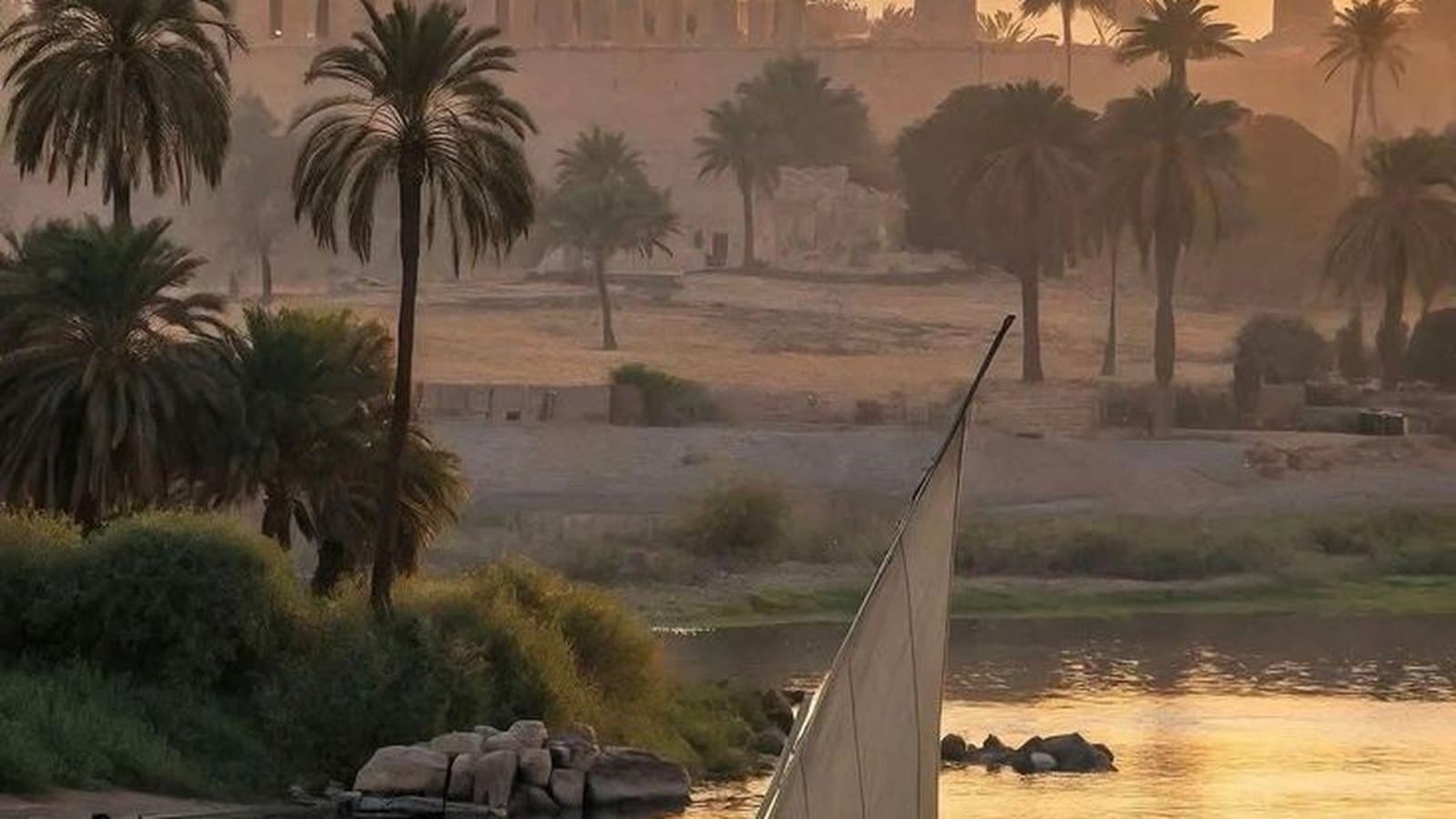
Egypt Off-Season Travel Guide: Why July Is the Nile's Best-Kept Secret
July is one of the best times to visit Egypt if you can handle the heat, because tourist numbers at inland sites drop dramatically compared to winter, hotel and Nile cruise prices fall across the board, and villages along the river that are usually drowned out by tour groups suddenly have room to breathe. The trade-off is simple: bigger heat, smaller crowds, and far more access to the people who actually live along the Nile.
Quick summary
- Egypt's July "low season" only applies inland — Luxor, Aswan, and Cairo empty out, while Red Sea towns like Hurghada and Sharm El Sheikh hit their own domestic summer peak.
- The quiet months are when wind-powered dahabiya sailboats, Nubian lakeside villages, and Western Desert oases become genuinely reachable — not staged, not rushed.
- Traveling well in July means pairing the right local guide with the right hours of the day; going in blind, especially solo, is where trips go wrong.
Egypt's low season is actually the smart season
Egyptian tourism is having a real moment — arrivals reached roughly 9 million in the first half of 2026, and the government has publicly set a target of 30 million annual visitors by 2030. Most of that growth is concentrated in the cooler months, which means July still functions the way it always has: as Egypt's open secret.
Here's what that looks like on the ground. In January, you queue behind dozens of tour buses to get into the Valley of the Kings. In July, you might have a tomb in Qurna to yourself for ten minutes with only the sound of a ceiling fan and your guide's flashlight. Hotel rates on the Nile corridor drop noticeably, feluccas that were booked solid in November sit idle at the dock, and the guides, boat captains, and home cooks who make their living off tourism have time to actually talk to you instead of hustling you to the next stop.
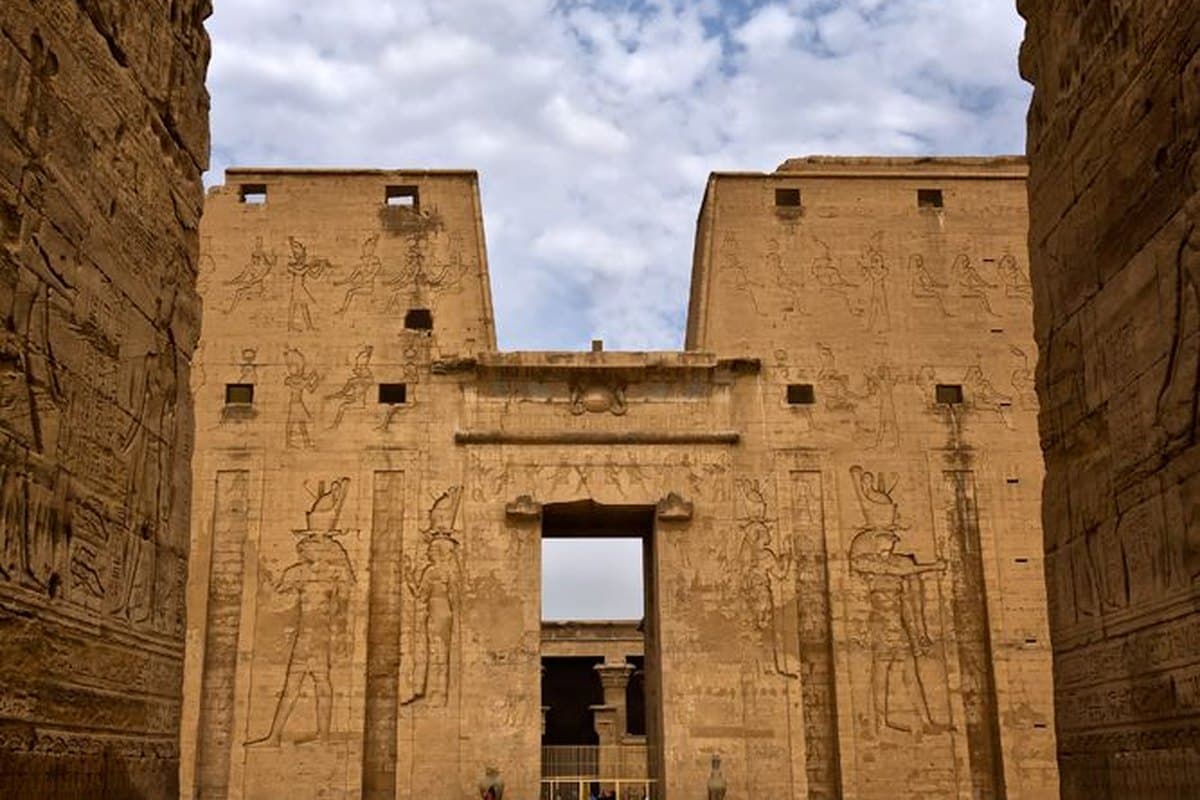
The catch is that low season doesn't apply evenly across the country. Red Sea destinations — Hurghada, Sharm El Sheikh, El Gouna — flip into their busiest weeks of the year in July and August, packed with domestic travelers and Gulf tourists escaping hotter inland cities. So the real opportunity isn't "Egypt in July" as one blanket idea. It's specifically Upper Egypt and the Nile Valley, where the crowds thin out and the heat, while real, is manageable if you build your day around it.
Where to go when everyone else stays home
Dahabiya sailing between Esna and Aswan
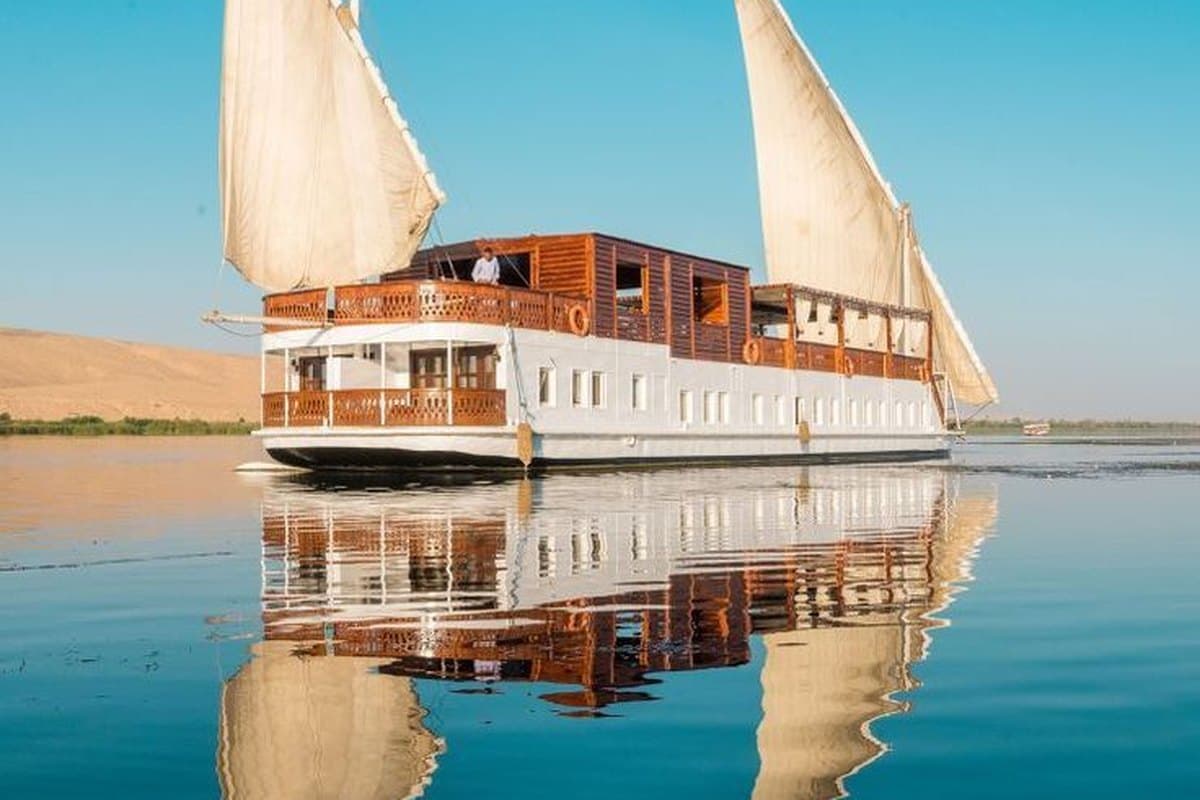
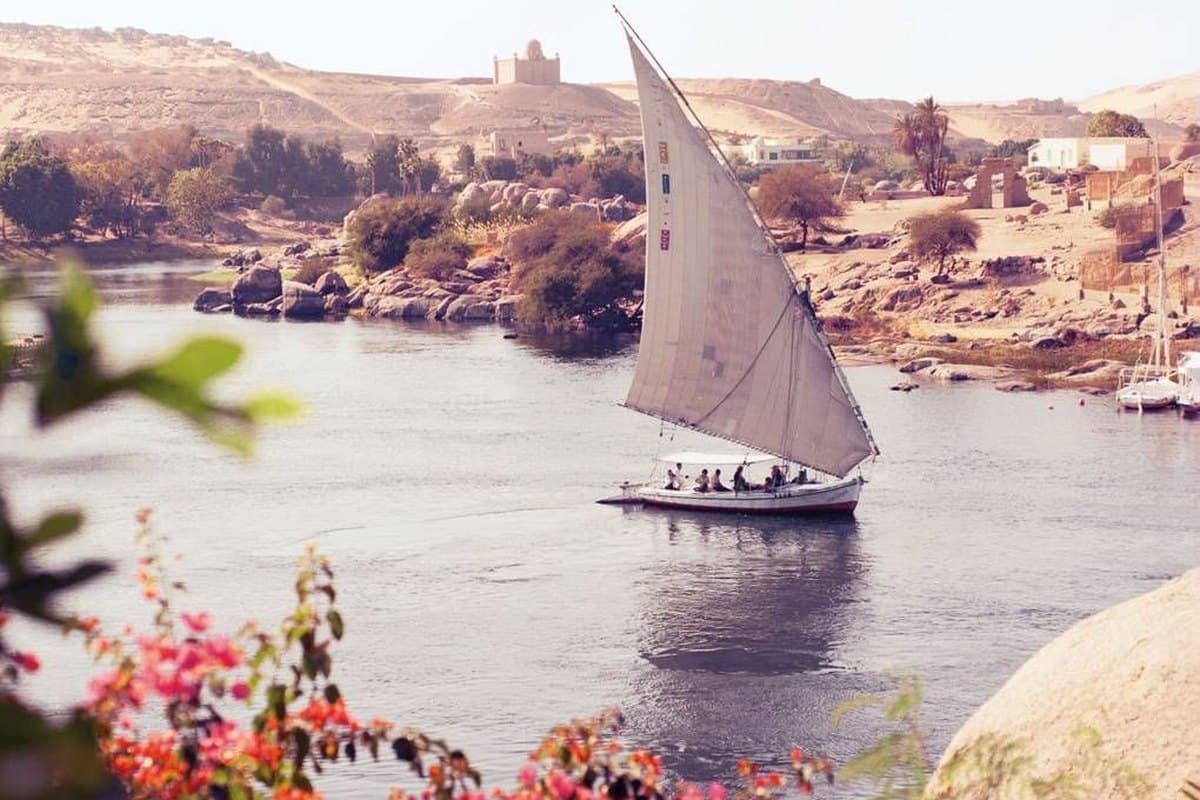
Most Nile "cruises" today are 150-passenger engine-driven hotels stacked four decks high. A dahabiya is the opposite: a two-masted, wind-powered sailboat that carries eight to twelve guests, ties up wherever the wind and the captain decide, and moves at the actual speed of the river. In July, with the big cruise ships running skeleton schedules, dahabiyas have the water — and the riverside temples — nearly to themselves.
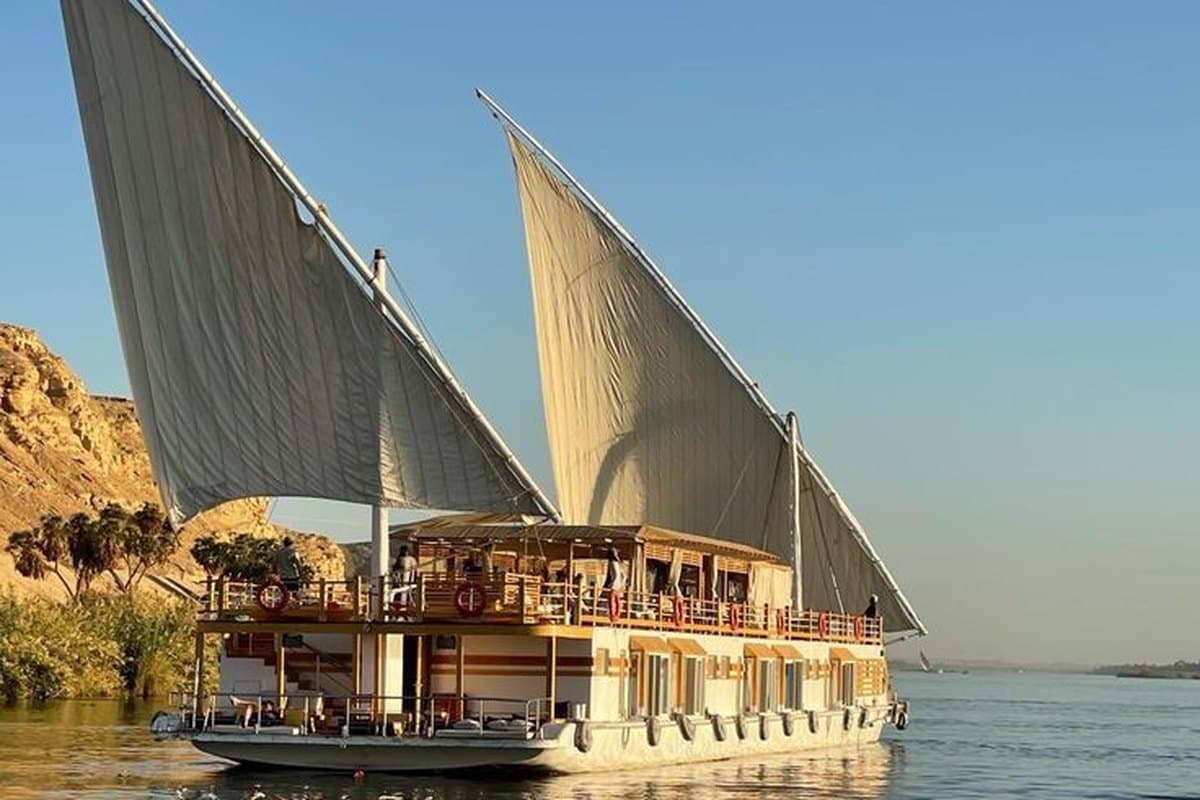
One of the routes worth knowing is the stretch between Esna and Aswan, which passes Gebel el-Silsila, a sandstone gorge lined with rock-cut shrines that most Nile itineraries skip entirely because the big ships can't dock there. On a dahabiya, you can.
The dahabiya captains working this stretch tend to be third- or fourth-generation river men, out of Esna and the villages around it. Many learned to read the Nile's currents by feel, the way their grandfathers did running cotton barges before tourism existed as an industry here, long before anyone touched a GPS. The boats are small and family-owned, crewed by four or five, and the multi-day routes stop at Gebel el-Silsila and at riverside villages where the crew still have cousins farming sugarcane. Guests eat what the crew eats — usually grilled Nile perch, ful medames, and bread baked that morning on the deck. You can find Nile sailing dates on Rafiky.
Aswan's Nubian villages on Lake Nasser
South of the Aswan High Dam, the villages that once lined the Nile before the 1960s relocation now sit on the shores of Lake Nasser and along the west bank near Gharb Soheil. Houses are painted in the bright blues, yellows, and pinks that mark Nubian architecture, and family-run guesthouses serve dishes — dukkous, karkade, and Nubian-style grilled tilapia — that don't show up on Luxor restaurant menus.
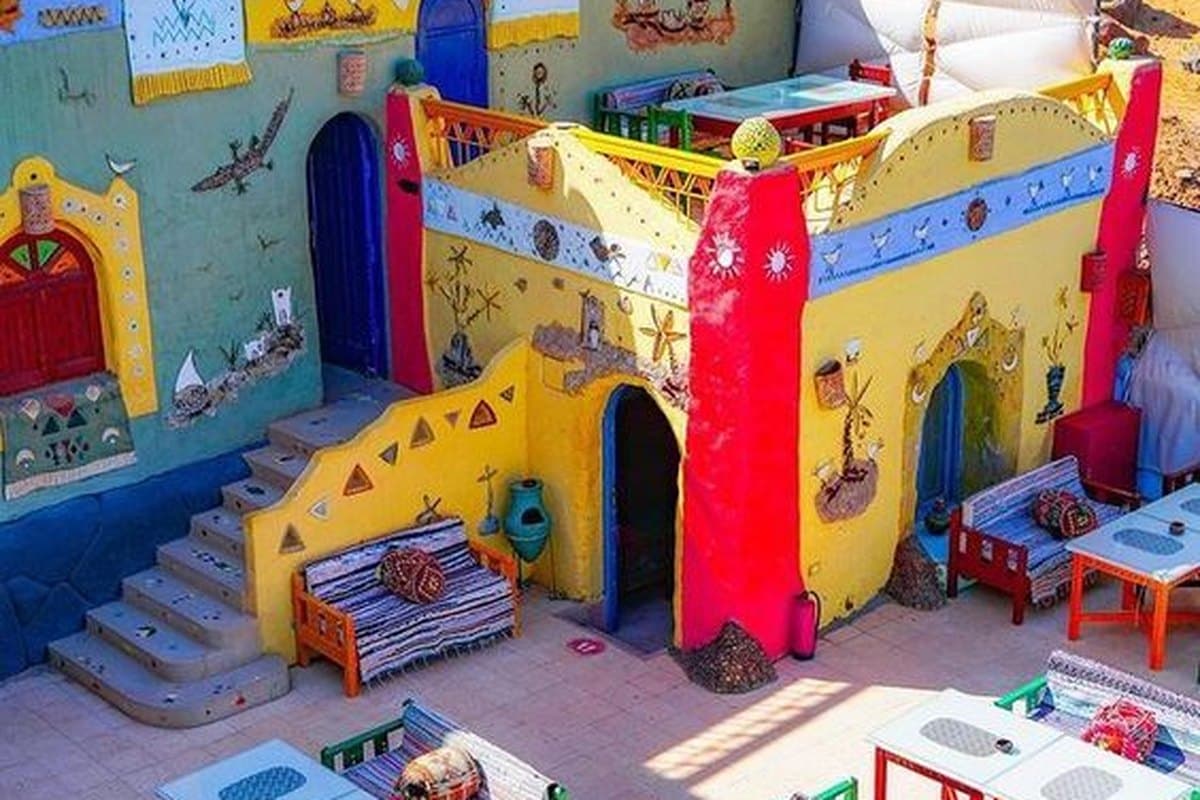
In peak winter season, Gharb Soheil sees enough day-trip boat traffic that the visit can feel transactional: forty minutes, a photo, a scarf you didn't ask for. In July, with far fewer boats crossing from the Aswan corniche, there's actual time to sit, drink tea, and hear a family talk about what it meant to leave the old village underwater.
The Western Desert oases: Dakhla and Kharga
If you want distance from any version of a tourist trail, Dakhla and Kharga Oases are roughly an eight-hour drive southwest of Luxor into the Western Desert, and they see a fraction of the visitors that the Nile Valley does even in high season. Mud-brick old towns, hot springs, and Roman-era necropolises sit alongside working date palm groves. July heat here is intense — this is genuine desert — but mornings and evenings are extraordinary, and it's one of the few places left in Egypt where showing up feels like arrival rather than a stop on a checklist.
West Bank Luxor's Qurna village
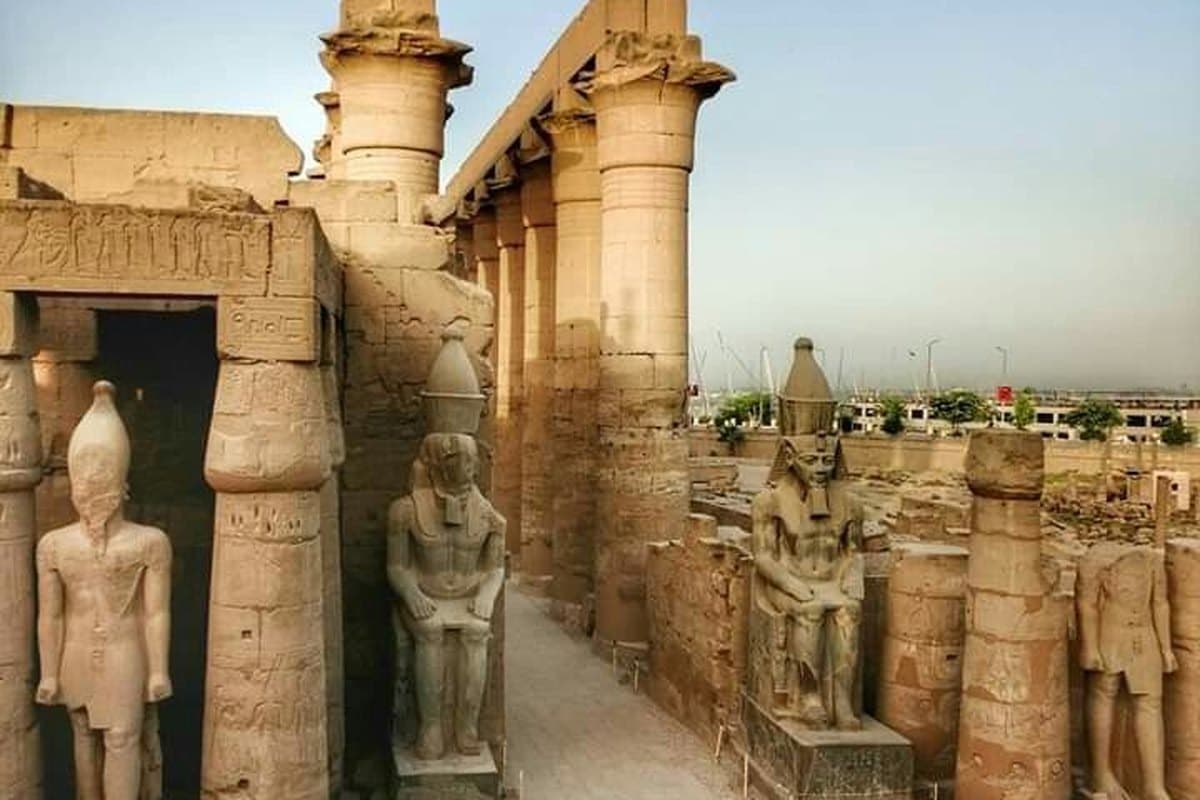
Qurna, on Luxor's West Bank near the Valley of the Kings, was for generations a village built partly on top of ancient tombs, its houses made from mudbrick and painted with hajj murals. Most of the original village was relocated in the 2000s, but the surviving pockets, along with the newer community nearby, are where many of the site's actual excavation and restoration workers live. Visiting in the quiet months, with a local guide who has family ties to the archaeological sites rather than a script, turns a tomb visit into a conversation about who is actually doing the digging.
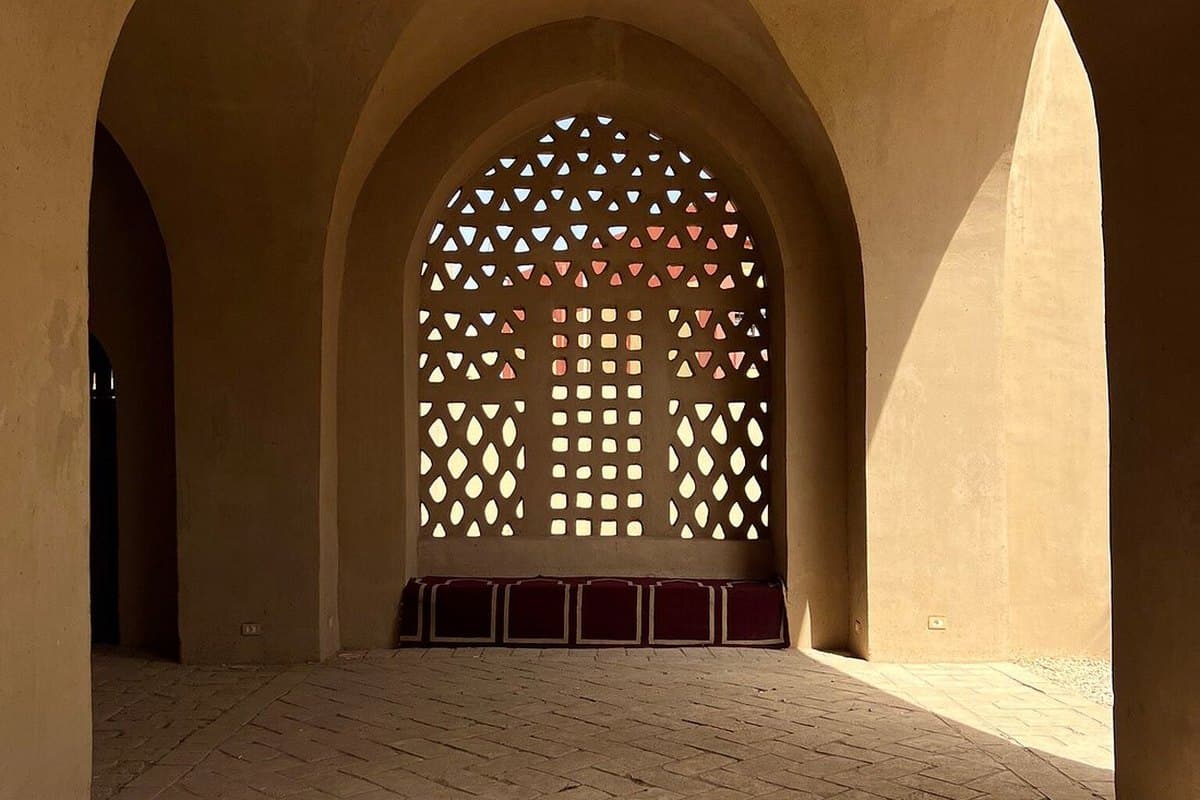
The architecture itself is part of the story. When the old village was relocated, the new settlement drew on a mudbrick vernacular of parabolic vaults, thick earthen walls, and carved plaster screens — a style built for exactly this climate, keeping interiors shaded and moving air without a single unit of electricity. In July, standing in one of those passageways at noon, you understand immediately why it was designed that way.
How to do July in Egypt without wrecking your trip
The single biggest mistake travelers make in Egypt's hot months is applying a winter itinerary to a summer day. Temperatures in Luxor and Aswan regularly hit 40°C (104°F) or higher by early afternoon in July. The fix isn't avoiding these months — it's flipping your clock:
- Start at sunrise. Temple and tomb visits should happen between 6 and 9am, when the light is best anyway.
- Go horizontal midday. Boats, riverside cafés, and shaded courtyards are how people who actually live here handle 2pm in July. Follow their lead instead of pushing through it.
- Move again after 5pm. Markets, felucca rides, and rooftop dinners come alive as the heat breaks.
- Hydrate like it's a job, and carry electrolytes, not just water.
This is also where traveling with the right local host matters more than usual. Traveler forums are full of the same recurring notes about Egypt: confusing transport, inconsistent signage at sites, and — especially for women traveling alone — an exhausting volume of unwanted attention in tourist zones. None of that disappears in summer. But it changes shape when you're moving with someone local who knows which entrance to use, which hours to avoid, and which restaurant owner will actually look out for you rather than upsell you. That is the entire premise behind Rafiky: not tour buses, but real people — a dahabiya captain out of Esna, a Nubian grandmother in Gharb Soheil, a Qurna excavation worker — who turn a logistically hard country into a genuinely welcoming one. You can browse providers by region on Rafiky.
What it actually costs in July vs. peak season
Nile cruise cabins, dahabiya charters, and Luxor and Aswan hotel rooms commonly drop meaningfully from November–February pricing. Guides and drivers, working far fewer bookings, are often more flexible on custom itineraries and multi-day arrangements than they can afford to be in December. The net effect: a trip that would cost considerably more in peak season, with a fraction of the crowd, if you're willing to manage the heat.
Frequently asked questions
Is it safe to travel to Egypt's Nile Valley in July?
Yes, for the majority of the country. Cairo, Luxor, Aswan, and the Red Sea resorts operate normally year-round, and July's main risk is heat-related rather than safety-related — plan around the hottest hours rather than around security concerns. Authorities do advise caution in Northern and Middle Sinai specifically, which sits outside the standard Nile Valley and Red Sea resort routes most travelers use.
Is Egypt a good solo travel destination in the summer?
It can be, especially for travelers who pair independent time with a local guide for site visits and transport. Solo women travelers in particular tend to have a smoother experience working with a vetted local host rather than navigating transit and site logistics alone — a big part of why Rafiky exists.
What's the actual temperature difference between July and winter in Upper Egypt?
Luxor and Aswan can hit 40°C+ (104°F+) by afternoon in July versus a comfortable 20–25°C (68–77°F) in December and January. Mornings before 9am and evenings after 5pm in July are genuinely pleasant; it's the midday hours that require planning around.
Can you still do a Nile cruise in July, or should you book a dahabiya instead?
Both run in July, but a dahabiya makes more sense in the off-season specifically because it's smaller, moves at a slower pace suited to the heat (more time docked in shade, more flexibility on schedule), and can reach villages and sites the big cruise ships skip.
Whatever route you take through Egypt's quiet season, the version worth having isn't the one with the fewest people in your photos — it's the one where you actually met someone. That's the trip Rafiky builds toward.